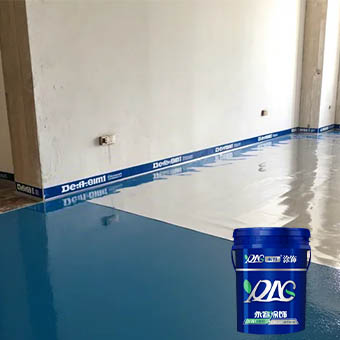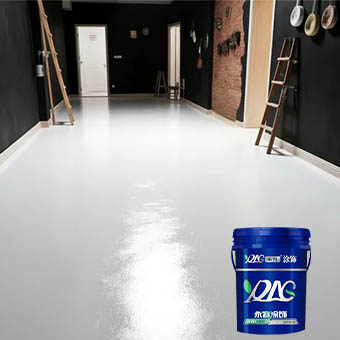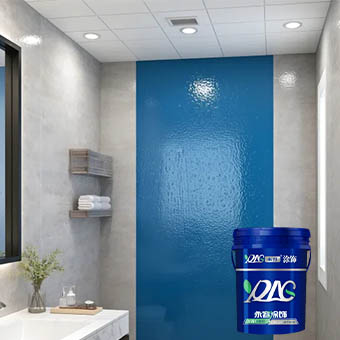

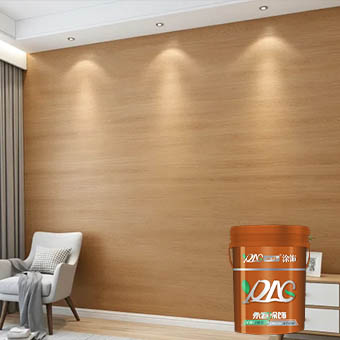
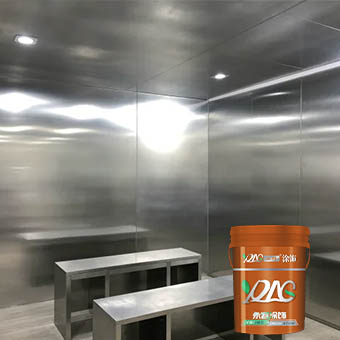
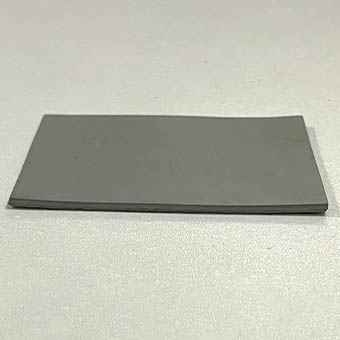
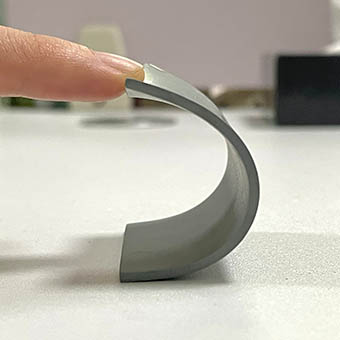
Гумове водонепроникне покриття
YR-8804-08
YR-9804-08
Бренд: YongRong
Походження продукту: Гуандун, Китай
Термін доставки: 7-10 днів
Потужність постачання: 5 тонн на день
Send Inquiry
Product Description
Суцільне кольорове водонепроникне покриття бренду Yongrong, вироблене компанією Guangdong Yongrong New Building Materials Co., Ltd., використовує емульсію синтетичного каучуку як основний матеріал у поєднанні з полімерними еластомерами, добавками проти просочування та поглиначами ультрафіолетового випромінювання. Він може похвалитися такими перевагами, як висока еластичність і стійкість до розтріскування (подовження ≥ 500%), чудова атмосферо- та водостійкість (відсутність аномалій після старіння ≥ 1000 годин і занурення протягом 168 годин), а також екологічна безпека з низьким вмістом ЛОС (≤ 50 г/л). Він ідеально підходить для гідроізоляції дахів будівель, підвалів, а також мостів і тунелів. Постачальники та виробники можуть звертатися до Yongrong для оптових закупівель або прямих закупівель цього надійного однотонного водонепроникного покриття.
Product Feature
Yongrong Solid Color Waterproof Coating — це екологічно чисте водонепроникне покриття, виготовлене на основі емульсій синтетичного каучуку (таких як SBS, APP, неопреновий каучук тощо) з додаванням високомолекулярних еластомерів, добавок проти просочування та поглиначів УФ-променів. Він утворює високоеластичну та стійку до погодних умов водонепроникну мембрану шляхом фізичного зшивання та хімічного затвердіння, ефективно протистоячи навантаженню, спричиненому деформацією та розтріскуванням основи. Він підходить для будівництва дахів, підвалів, мостів, тунелів та інших застосувань. Нижче наведено повний огляд суцільного кольорового водонепроникного покриття Yongrong:
Водонепроникне покриття Yongrong Solid Color використовує вдосконалену формулу, що створює щільну та еластичну водонепроникну мембрану, яка ефективно протистоїть деформації основи, просочуванню води та ерозії навколишнього середовища, забезпечуючи при цьому тривалий захист. Його процес нанесення є гнучким, дозволяє наносити пензлем, валиком або розпиленням залежно від вимог, підходить для гідроізоляції та догляду за різними поверхнями будівель.
1. Висока еластичність і стійкість до розтріскування: відносне подовження при розриві ≥500% (GB/T 16777), стійкість до розповсюдження тріщин на основі (≤3 мм), підходить для областей із великою різницею температур.
2. Чудова стійкість до погодних умов: випробування на штучне старіння ≥1000 годин (GB/T 1766), стійкість до УФ-променів, кислотних дощів та озонової корозії, термін служби ≥15 років.
3. Екологічно чистий і безпечний: Формула на водній основі, вміст ЛОС ≤50 г/л (GB 18582-2020), нетоксичний і без запаху, сертифікований екологічним маркуванням Китаю, підходить для чутливих місць, таких як будинки та школи.
4. Легка конструкція: можна чистити щіткою, прокатувати або розпилювати; швидка швидкість затвердіння; люди можуть ходити по ньому через 24 години, і він повністю виліковується через 7 днів.
5. Хороша водостійкість: відсутність пухирів або лущення після 168 годин занурення (GB/T 9274), підходить для тривалого вологого середовища (таких як підвали та басейни).
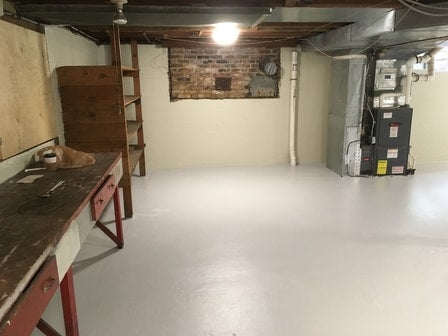
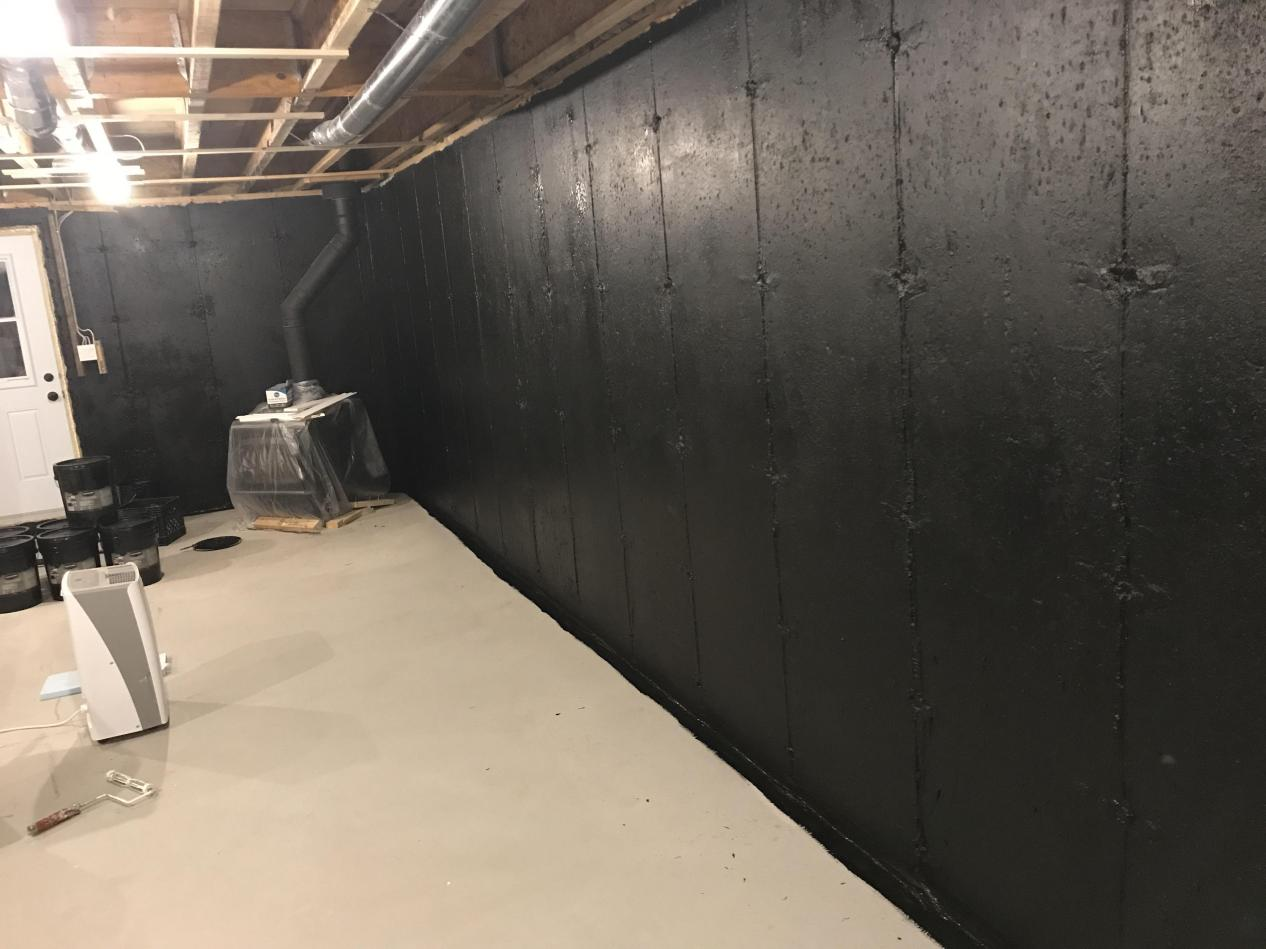
Будівельні дахи: гідроізоляція та запобігання просочуванню плоских, скатних і металевих дахів. Підвали: Гідроізоляція та вологоізоляція зовнішніх стін, плит перекриття та покрівлі. Мости/тунелі: гідроізоляція та запобігання просочуванню для мостів і внутрішніх стін тунелів, стійкі до навантажень транспортних засобів. Спеціальне застосування: гідроізоляція та запобігання просочуванню для басейнів, резервуарів, каналізаційних резервуарів тощо, стійкість до хімічної корозії.
Параметри | Технічні характеристики
Основні компоненти | Синтетичний каучуковий латекс (SBS/APP/хлоропреновий каучук), полімерний еластомер, антипроникні добавки
Час висихання | Висихання поверхні ≤ 2 год (25 ℃), повне висихання ≤ 24 год
Міцність на розрив | ≥ 2,0 МПа (GB/T 16777)
Подовження при розриві | ≥ 500% (GB/T 16777)
Твердість | ≥ Shore A 50 (GB/T 531.1)
Водостійкість | Відсутність пухирів або лущення після 168 годин занурення (GB/T 9274)
Стійкість до штучного старіння | ≥ 1000 годин (GB/T 1766)
Екологічний стандарт: GB 18582-2020 «Обмеження вмісту небезпечних речовин у внутрішніх стінових покриттях для внутрішнього оздоблення та матеріалів для ремонту» (продукти на водній основі). Стандарти ефективності: GB 18242-2008 «Бітумна гідроізоляційна мембрана, модифікована еластомером», JC/T 864-2008 «Будівельні гідроізоляційні покриття з полімерної емульсії». Стандарти безпеки: HJ 2537-2025 "Технічні вимоги до екологічного маркування продукції - будівельні покриття".
VI. Теоретична доза
Один шар: 0,8-1,2 кг/м² (фактичне дозування регулюється відповідно до гладкості основи та процесу виготовлення). Лікування тріщин: збільште дозу на 10%-20%, щоб забезпечити повне покриття тріщин.
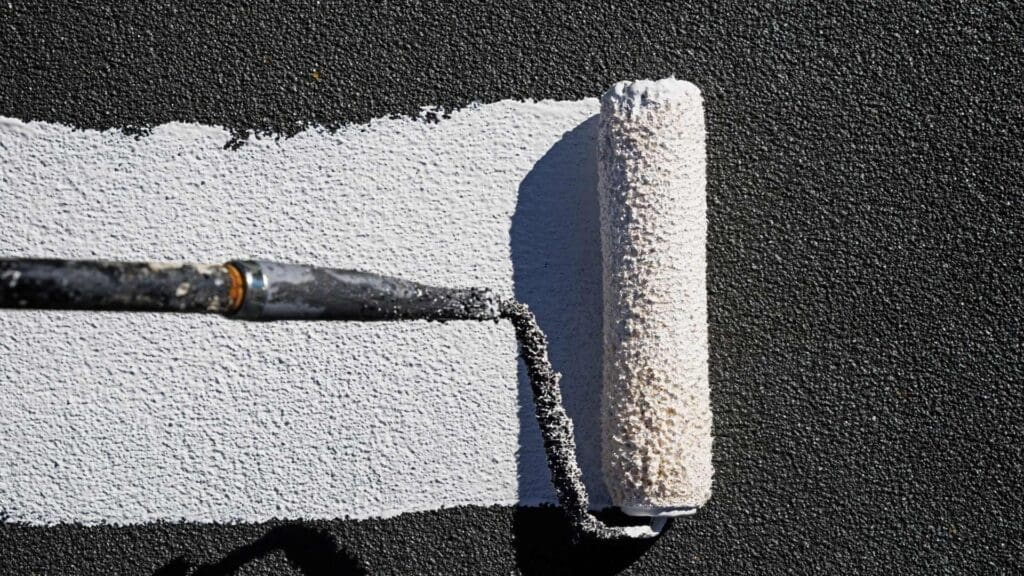
Стандартні кольори: чорний, сірий, білий та інші основні кольори; інші кольори можна налаштувати. Особливі вимоги: Додавання пігменту підтримується для формування кольорових водонепроникних шарів, придатних для декоративного застосування.
1 кг/банка/1 літр (Yongrong біла 1-літрова банка клею)
7 кг/відро/5 літрів (Yongrong black 5 літрове відро для клею)
22 кг/відро/20 літрів (відро для клею Yongrong біле 20 літрів)
Упаковка рулону: 10㎡/рулон (товщина 1,5 мм, 2,0 мм, 3,0 мм).
Умови зберігання: прохолодне, сухе місце, температура 5-35 ℃, уникати прямих сонячних променів. Термін придатності: 12-24 місяці в закритому вигляді (24 місяці для продуктів на водній основі, 12 місяців для продуктів на основі розчинників).
X. Підготовка субстрату
1. Вимоги до основи: основа має бути рівною, сухою (вміст вологи ≤8%), без пустот і масляних плям, зі значенням pH ≤10.
2. Етапи підготовки: відшліфуйте основу, щоб видалити цементне молочко та масляні плями (за допомогою наждачного паперу або водяного пістолета під високим тиском). Ремонт тріщин і дірок (за допомогою полімерцементного розчину або епоксидної шпаклівки). Нанесіть герметизуючий грунт (для посилення адгезії, дозування 0,1-0,2 кг/м²).
XI. Рекомендовані системи застосування продуктів
Система тонкого покриття: Герметизуюча грунтовка (0,1-0,2 кг/м²) + суцільне водонепроникне покриття Yongrong (2-3 шари, загальна доза 1,6-3,6 кг/м²). Система товстого покриття: грунтовка (0,1-0,2 кг/м²) + суцільне водонепроникне покриття Yongrong (3-4 шари, загальна доза 2,4-4,8 кг/м²). Система рулонного матеріалу: ґрунтовка (0,1 кг/м²) + суцільний водонепроникний рулонний матеріал Yongrong (повне покриття або нещільне нанесення) + герметик (на швах).
XII. Спосіб застосування (Керівництво з будівництва)
1. Інструменти для нанесення: валик, кисть, краскопульт, міксер, термопістолет (для нанесення рулонного матеріалу).
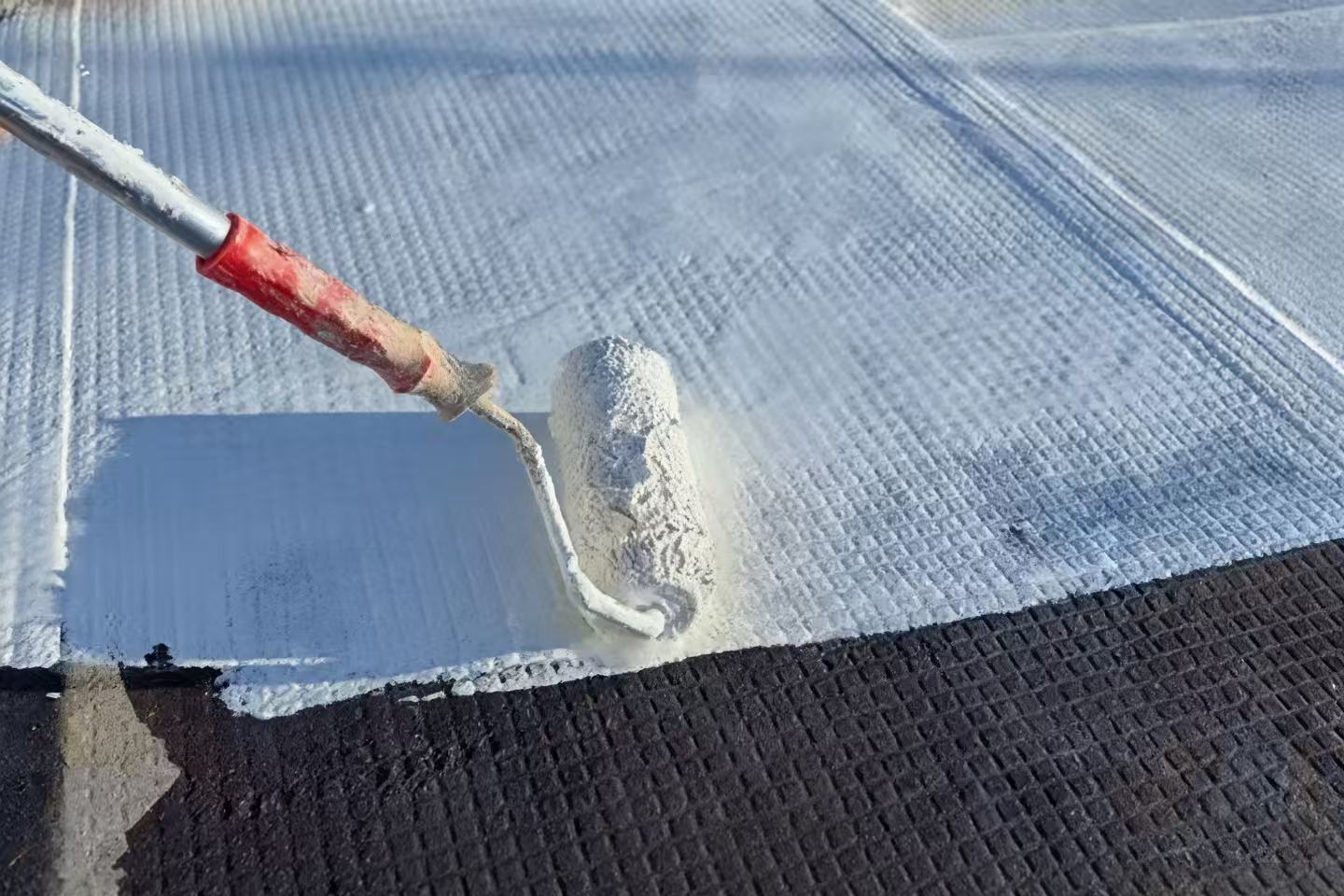
2. Етапи нанесення: змішайте двокомпонентні продукти у вказаному співвідношенні та використайте протягом 30 хвилин після ретельного перемішування (однокомпонентні продукти можна використовувати безпосередньо). Нанесіть суцільне водонепроникне покриття Yongrong пензлем або валиком з інтервалом 4-6 годин між шарами. Напрямок чищення має бути перехресним. Для нанесення рулонного матеріалу використовуйте тепловий пістолет, щоб нагріти нижню поверхню рулонного матеріалу, щоб забезпечити міцне зчеплення з основою.
XIII. Запобіжні заходи
1. Будівельне середовище: температура 5-35 ℃, вологість ≤85%. Уникайте будівництва в дощову погоду або під прямими сонячними променями.
2. Змішування матеріалу: суворо дотримуйтесь співвідношення змішування та ретельно перемішуйте, щоб уникнути неповного затвердіння.
3. Захист готового продукту: після будівництва забезпечте вентиляцію та висушування. Не піддавати важкі предмети протягом 7 днів.
XIV. Інструменти застосування
Основні інструменти: валик, кисть, фарбопульт, міксер, термопістолет (для нанесення рулонного матеріалу). Допоміжні інструменти: малярська стрічка, мірна чашка, гігрометр, термометр.
XV. Техніка безпеки
1. Захисні заходи: одягайте маски та рукавички під час будівництва та підтримуйте хорошу вентиляцію; тримайте продукти на основі розчинників подалі від джерел вогню.
2. Утилізація відходів. Залишки фарби та упаковки слід належним чином переробляти, а не викидати без розбору.
3. Невідкладна допомога: у разі потрапляння в очі негайно промийте водою та зверніться до лікаря; при попаданні на шкіру промити з милом.
Примітка: Наведену вище інформацію про ефективність продукту та застосування було отримано в конкретних експериментальних умовах. Однак реальні середовища застосування значно відрізняються і не підпадають під наші обмеження. Якщо у вас виникли запитання, будь ласка, зв’яжіться з Guangdong Yongrong New Building Materials Co., Ltd. Ми залишаємо за собою право переглядати посібник із продукту без додаткового повідомлення.
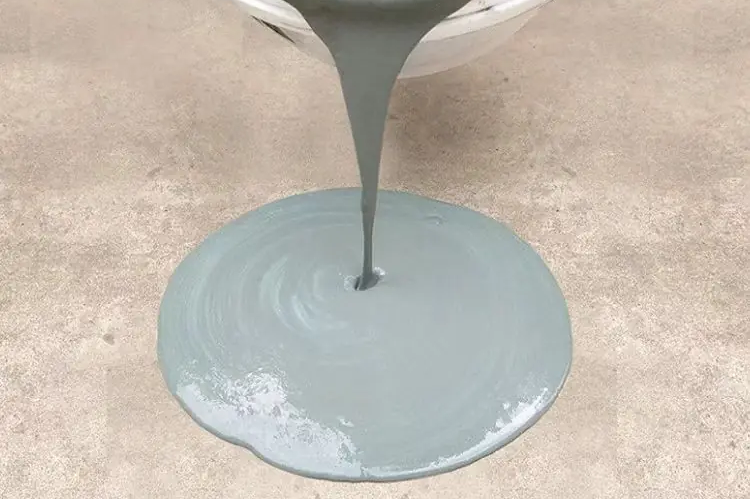
Водонепроникне покриття Yongrong Solid Color використовує вдосконалену формулу, що створює щільну та еластичну водонепроникну мембрану, яка ефективно протистоїть деформації основи, просочуванню води та ерозії навколишнього середовища, забезпечуючи при цьому тривалий захист. Його процес нанесення є гнучким, дозволяє наносити пензлем, валиком або розпиленням залежно від вимог, підходить для гідроізоляції та догляду за різними поверхнями будівель.
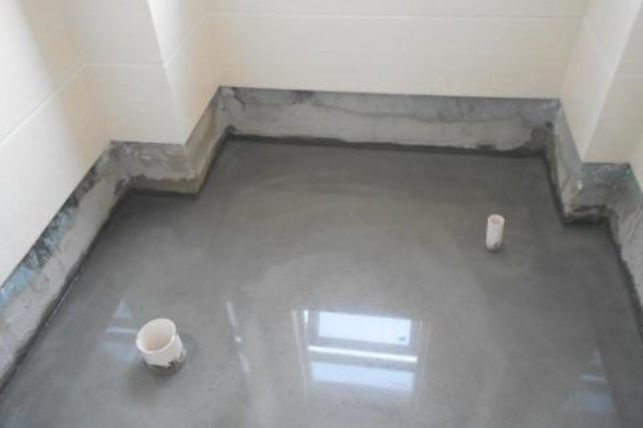
1. Висока еластичність і стійкість до розтріскування: відносне подовження при розриві ≥500% (GB/T 16777), стійкість до розповсюдження тріщин на основі (≤3 мм), підходить для областей із великою різницею температур.
2. Чудова стійкість до погодних умов: випробування на штучне старіння ≥1000 годин (GB/T 1766), стійкість до УФ-променів, кислотних дощів та озонової корозії, термін служби ≥15 років.
3. Екологічно чистий і безпечний: Формула на водній основі, вміст ЛОС ≤50 г/л (GB 18582-2020), нетоксичний і без запаху, сертифікований екологічним маркуванням Китаю, підходить для чутливих місць, таких як будинки та школи.
4. Легка конструкція: можна чистити щіткою, прокатувати або розпилювати; швидка швидкість затвердіння; люди можуть ходити по ньому через 24 години, і він повністю виліковується через 7 днів.
5. Хороша водостійкість: відсутність пухирів або лущення після 168 годин занурення (GB/T 9274), підходить для тривалого вологого середовища (таких як підвали та басейни).
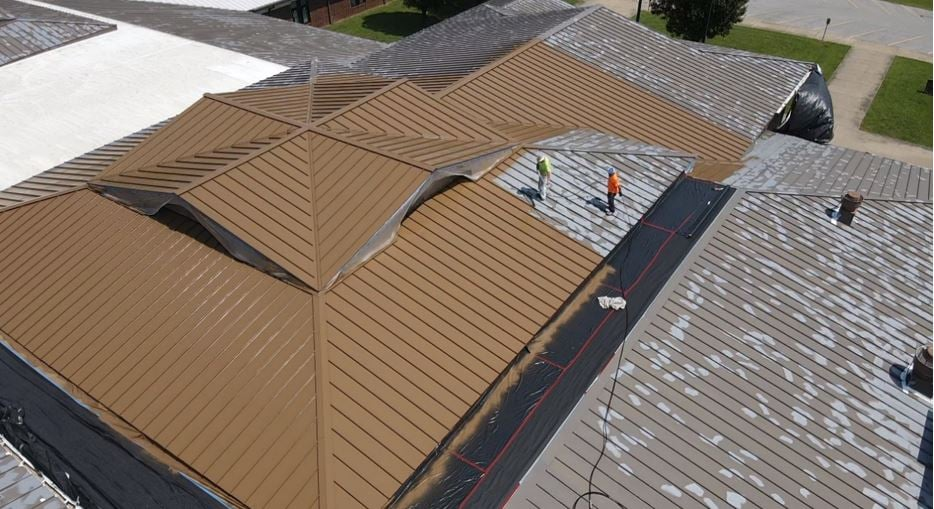
Будівельні дахи: гідроізоляція та запобігання просочуванню плоских, скатних і металевих дахів. Підвали: Гідроізоляція та вологоізоляція зовнішніх стін, плит перекриття та покрівлі. Мости/тунелі: гідроізоляція та запобігання просочуванню для мостів і внутрішніх стін тунелів, стійкі до навантажень транспортних засобів. Спеціальне застосування: гідроізоляція та запобігання просочуванню для басейнів, резервуарів, каналізаційних резервуарів тощо, стійкість до хімічної корозії.
Параметри | Технічні характеристики
Основні компоненти | Синтетичний каучуковий латекс (SBS/APP/хлоропреновий каучук), полімерний еластомер, антипроникні добавки
Час висихання | Висихання поверхні ≤ 2 год (25 ℃), повне висихання ≤ 24 год
Міцність на розрив | ≥ 2,0 МПа (GB/T 16777)
Подовження при розриві | ≥ 500% (GB/T 16777)
Твердість | ≥ Shore A 50 (GB/T 531.1)
Водостійкість | Відсутність пухирів або лущення після 168 годин занурення (GB/T 9274)
Стійкість до штучного старіння | ≥ 1000 годин (GB/T 1766)
Екологічний стандарт: GB 18582-2020 «Обмеження вмісту небезпечних речовин у внутрішніх стінових покриттях для внутрішнього оздоблення та матеріалів для ремонту» (продукти на водній основі). Стандарти ефективності: GB 18242-2008 «Бітумна гідроізоляційна мембрана, модифікована еластомером», JC/T 864-2008 «Будівельні гідроізоляційні покриття з полімерної емульсії». Стандарти безпеки: HJ 2537-2025 "Технічні вимоги до екологічного маркування продукції - будівельні покриття".
VI. Теоретична доза
Один шар: 0,8-1,2 кг/м² (фактичне дозування регулюється відповідно до гладкості основи та процесу виготовлення). Лікування тріщин: збільште дозу на 10%-20%, щоб забезпечити повне покриття тріщин.
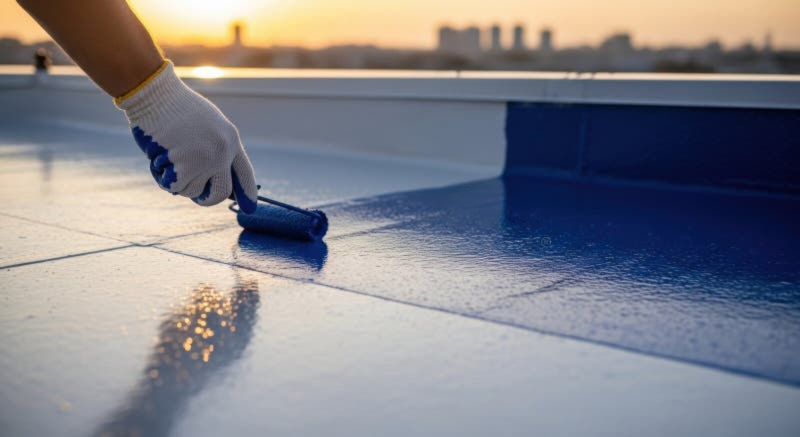
Стандартні кольори: чорний, сірий, білий та інші основні кольори; інші кольори можна налаштувати. Особливі вимоги: Додавання пігменту підтримується для формування кольорових водонепроникних шарів, придатних для декоративного застосування.
1 кг/банка/1 літр (Yongrong біла 1-літрова банка клею)
7 кг/відро/5 літрів (Yongrong black 5 літрове відро для клею)
22 кг/відро/20 літрів (відро для клею Yongrong біле 20 літрів)
Упаковка рулону: 10㎡/рулон (товщина 1,5 мм, 2,0 мм, 3,0 мм).
Умови зберігання: прохолодне, сухе місце, температура 5-35 ℃, уникати прямих сонячних променів. Термін придатності: 12-24 місяці в закритому вигляді (24 місяці для продуктів на водній основі, 12 місяців для продуктів на основі розчинників).
X. Підготовка субстрату
1. Вимоги до основи: основа має бути рівною, сухою (вміст вологи ≤8%), без пустот і масляних плям, зі значенням pH ≤10.
2. Етапи підготовки: відшліфуйте основу, щоб видалити цементне молочко та масляні плями (за допомогою наждачного паперу або водяного пістолета під високим тиском). Ремонт тріщин і дірок (за допомогою полімерцементного розчину або епоксидної шпаклівки). Нанесіть герметизуючий грунт (для посилення адгезії, дозування 0,1-0,2 кг/м²).
XI. Рекомендовані системи застосування продуктів
Система тонкого покриття: Герметизуюча грунтовка (0,1-0,2 кг/м²) + суцільне водонепроникне покриття Yongrong (2-3 шари, загальна доза 1,6-3,6 кг/м²). Система товстого покриття: грунтовка (0,1-0,2 кг/м²) + суцільне водонепроникне покриття Yongrong (3-4 шари, загальна доза 2,4-4,8 кг/м²). Система рулонного матеріалу: ґрунтовка (0,1 кг/м²) + суцільний водонепроникний рулонний матеріал Yongrong (повне покриття або нещільне нанесення) + герметик (на швах).
XII. Спосіб застосування (Керівництво з будівництва)
1. Інструменти для нанесення: валик, кисть, краскопульт, міксер, термопістолет (для нанесення рулонного матеріалу).
2. Етапи нанесення: змішайте двокомпонентні продукти у вказаному співвідношенні та використайте протягом 30 хвилин після ретельного перемішування (однокомпонентні продукти можна використовувати безпосередньо). Нанесіть суцільне водонепроникне покриття Yongrong пензлем або валиком з інтервалом 4-6 годин між шарами. Напрямок чищення має бути перехресним. Для нанесення рулонного матеріалу використовуйте тепловий пістолет, щоб нагріти нижню поверхню рулонного матеріалу, щоб забезпечити міцне зчеплення з основою.
XIII. Запобіжні заходи
1. Будівельне середовище: температура 5-35 ℃, вологість ≤85%. Уникайте будівництва в дощову погоду або під прямими сонячними променями.
2. Змішування матеріалу: суворо дотримуйтесь співвідношення змішування та ретельно перемішуйте, щоб уникнути неповного затвердіння.
3. Захист готового продукту: після будівництва забезпечте вентиляцію та висушування. Не піддавати важкі предмети протягом 7 днів.
XIV. Інструменти застосування
Основні інструменти: валик, кисть, фарбопульт, міксер, термопістолет (для нанесення рулонного матеріалу). Допоміжні інструменти: малярська стрічка, мірна чашка, гігрометр, термометр.
XV. Техніка безпеки
1. Захисні заходи: одягайте маски та рукавички під час будівництва та підтримуйте хорошу вентиляцію; тримайте продукти на основі розчинників подалі від джерел вогню.
2. Утилізація відходів. Залишки фарби та упаковки слід належним чином переробляти, а не викидати без розбору.
3. Невідкладна допомога: у разі потрапляння в очі негайно промийте водою та зверніться до лікаря; при попаданні на шкіру промити з милом.
Примітка: Наведену вище інформацію про ефективність продукту та застосування було отримано в конкретних експериментальних умовах. Однак реальні середовища застосування значно відрізняються і не підпадають під наші обмеження. Якщо у вас виникли запитання, будь ласка, зв’яжіться з Guangdong Yongrong New Building Materials Co., Ltd. Ми залишаємо за собою право переглядати посібник із продукту без додаткового повідомлення.
Send Inquiry
Please Feel free to give your inquiry in the form below. We will reply you in 24 hours.