Products
New Products

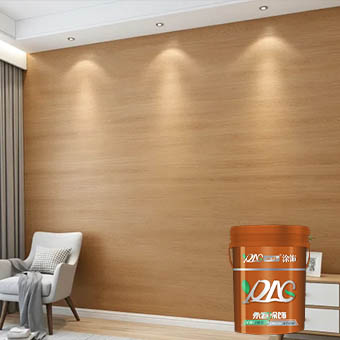
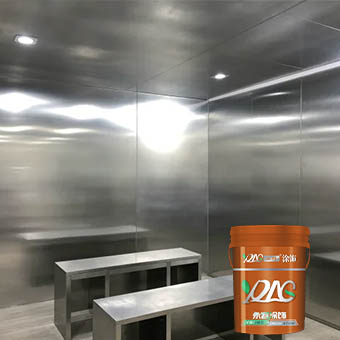
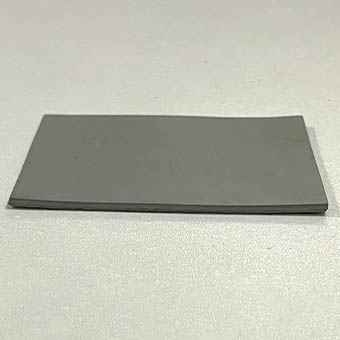
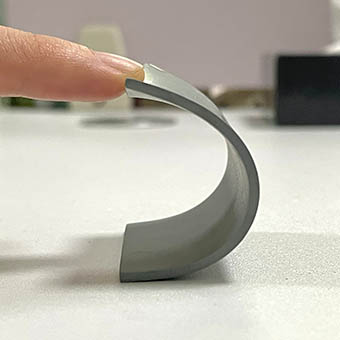
Salutan Kalis Air Getah
YR-8804-08
YR-9804-08
Jenama: YongRong
Asal produk:Guangdong, China
Masa penghantaran: 7-10 hari
Kapasiti bekalan: 5Tan/hari
Send Inquiry
Product Description
Salutan kalis air warna pepejal jenama Yongrong, yang dikeluarkan oleh Guangdong Yongrong New Building Materials Co., Ltd., menggunakan emulsi getah sintetik sebagai bahan asas terasnya, digabungkan dengan elastomer polimer, bahan tambahan anti-resapan dan penyerap UV. Ia mempunyai kelebihan seperti keanjalan yang tinggi dan rintangan retak (pemanjangan ≥ 500%), rintangan cuaca dan air yang sangat baik (tiada keabnormalan selepas penuaan ≥ 1000j dan rendaman selama 168j), dan keselamatan alam sekitar dengan VOC rendah (≤ 50g/L). Ia amat sesuai untuk keperluan kalis air untuk membina bumbung, ruang bawah tanah, dan jambatan serta terowong. Pembekal dan pengilang dialu-alukan untuk menghubungi Yongrong untuk pembelian borong atau perolehan terus salutan kalis air warna pepejal yang boleh dipercayai ini.
Product Feature
Salutan Kalis Air Warna Pepejal Yongrong ialah salutan kalis air mesra alam yang diperbuat daripada emulsi getah sintetik (seperti SBS, APP, getah neoprena, dll.) sebagai asas, dengan tambahan elastomer molekul tinggi, bahan tambahan anti-resapan dan penyerap UV. Ia membentuk membran kalis air yang sangat elastik dan tahan cuaca melalui penyambung silang fizikal dan pengawetan kimia, dengan berkesan menahan tekanan yang dihasilkan oleh ubah bentuk dan keretakan substrat. Ia sesuai untuk membina bumbung, ruang bawah tanah, jambatan, terowong, dan aplikasi lain. Di bawah ialah gambaran menyeluruh mengenai Salutan Kalis Air Warna Pepejal Yongrong:
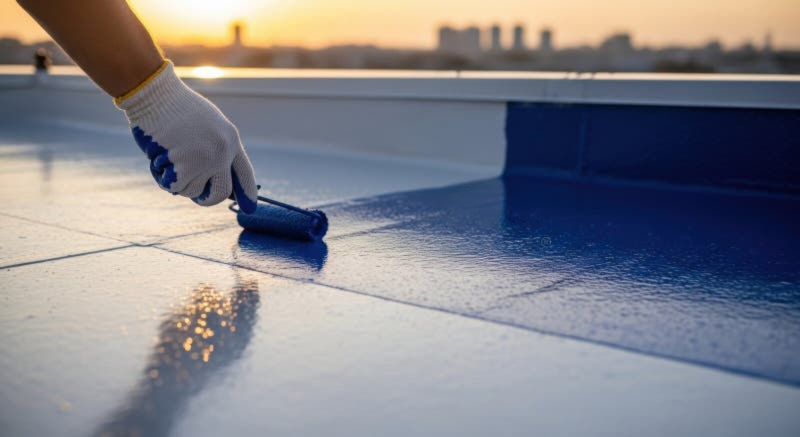
Salutan Kalis Air Warna Pepejal Yongrong menggunakan formula termaju, menghasilkan membran kalis air yang padat dan elastik yang berkesan menentang ubah bentuk substrat, resapan air dan hakisan alam sekitar, sambil memberikan perlindungan yang berpanjangan. Proses penggunaannya adalah fleksibel, membolehkan memberus, menggulung atau menyembur bergantung pada keperluan, sesuai untuk kalis air dan penyelenggaraan pelbagai permukaan bangunan.
1. Keanjalan Tinggi dan Rintangan Retak: Pemanjangan pada pecah ≥500% (GB/T 16777), menentang penyebaran retakan substrat (≤3mm), sesuai untuk kawasan yang mempunyai perbezaan suhu yang besar.
2. Rintangan cuaca yang sangat baik: Ujian penuaan buatan ≥1000 jam (GB/T 1766), tahan sinaran UV, hujan asid, dan kakisan ozon, dengan hayat perkhidmatan ≥15 tahun.
3. Mesra alam dan selamat: Formula berasaskan air, kandungan VOC ≤50g/L (GB 18582-2020), tidak toksik dan tidak berbau, diperakui oleh Pelabelan Alam Sekitar China, sesuai untuk tempat sensitif seperti rumah dan sekolah.
4. Pembinaan yang mudah: Boleh disikat, digulung atau disembur; kelajuan pengawetan cepat; orang boleh berjalan di atasnya selepas 24 jam, dan ia sembuh sepenuhnya dalam 7 hari.
5. Rintangan air yang baik: Tiada lepuh atau pengelupasan selepas 168 jam rendaman (GB/T 9274), sesuai untuk persekitaran lembap jangka panjang (seperti ruang bawah tanah dan kolam renang).
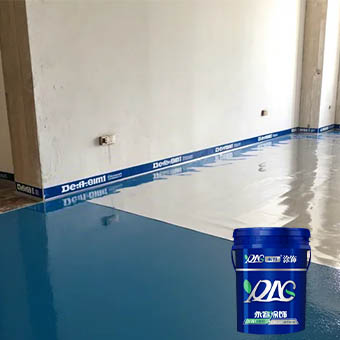
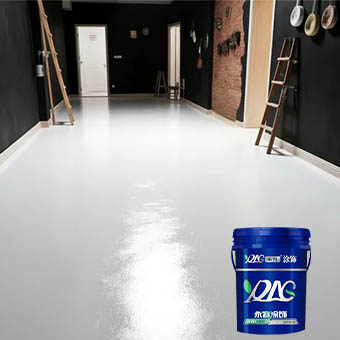
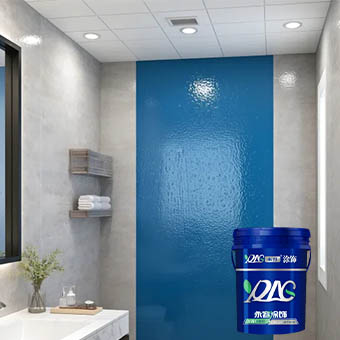
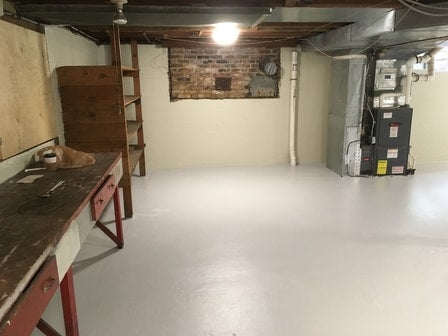
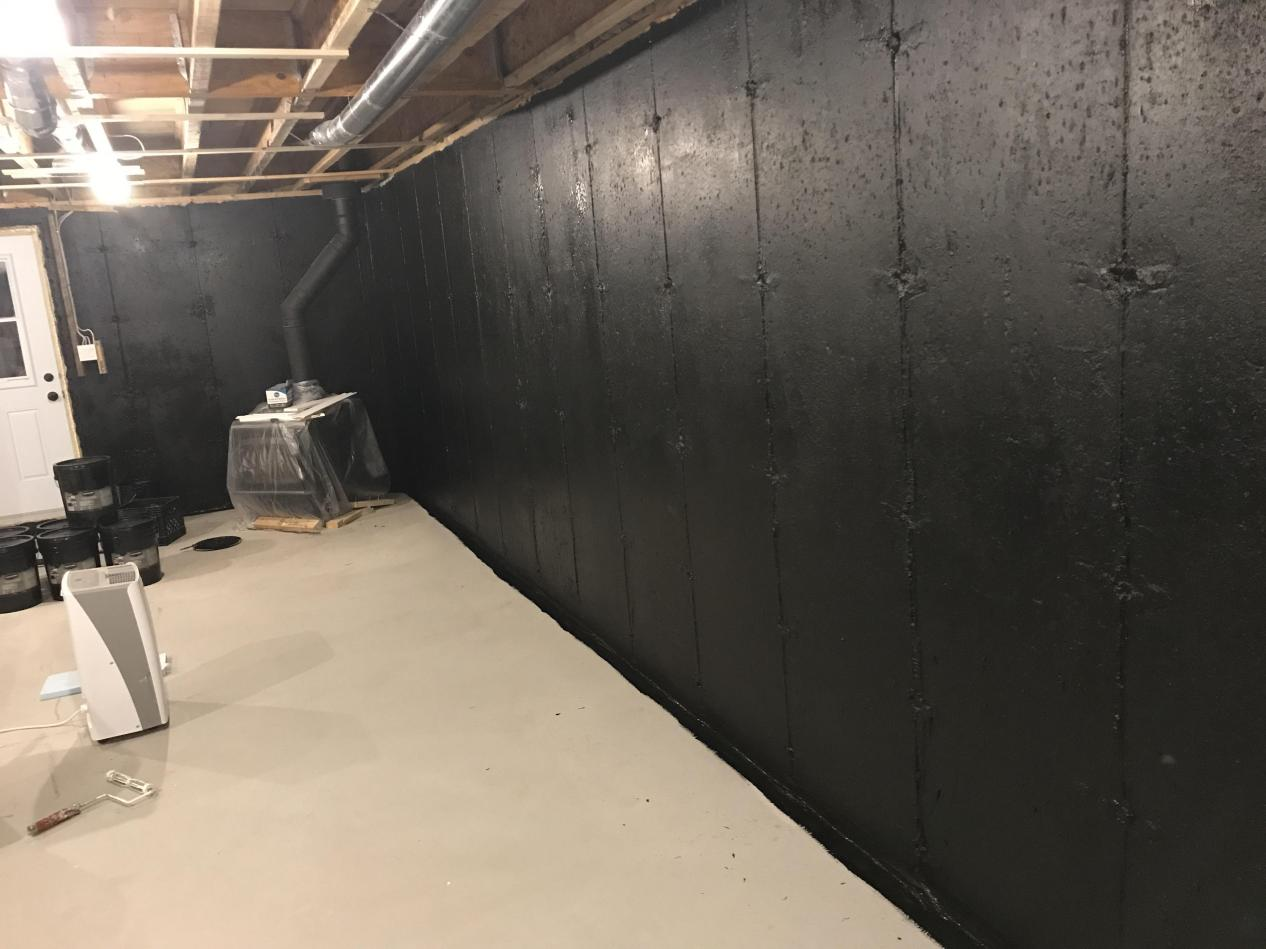
Bumbung bangunan: Kalis air dan pencegahan resapan untuk bumbung rata, bumbung bernada dan bumbung logam. Ruang bawah tanah: Kalis air dan kalis lembapan untuk dinding luar, papak lantai dan papak bumbung. Jambatan/terowong: Kalis air dan pencegahan resapan untuk dek jambatan dan dinding dalaman terowong, tahan terhadap beban kenderaan. Aplikasi Khas: Kalis air dan pencegahan resapan untuk kolam renang, takungan, tangki kumbahan, dsb., dengan ketahanan terhadap kakisan kimia.
Parameter | Spesifikasi
Komponen Utama | Lateks getah sintetik (SBS/APP/getah kloroprena), elastomer polimer, bahan tambahan anti-ketelapan
Masa Pengeringan | Permukaan kering ≤ 2j (25℃), kering sepenuhnya ≤ 24j
Kekuatan Tegangan | ≥ 2.0MPa (GB/T 16777)
Pemanjangan di Rehat | ≥ 500% (GB/T 16777)
Kekerasan | ≥ Shore A 50 (GB/T 531.1)
Tahan Air | Tiada lepuh atau pengelupasan selepas rendaman 168j (GB/T 9274)
Rintangan Penuaan Buatan | ≥ 1000 jam (GB/T 1766)
Standard Persekitaran: GB 18582-2020 "Had Bahan Berbahaya dalam Salutan Dinding Dalaman untuk Bahan Hiasan Dalaman dan Pengubahsuaian" (Produk berasaskan Air). Standard Prestasi: GB 18242-2008 "Membran Kalis Air Bitumen Terubahsuai Elastomer", JC/T 864-2008 "Salutan Kalis Air Bangunan Emulsi Polimer". Piawaian Keselamatan: HJ 2537-2025 "Keperluan Teknikal untuk Produk Pelabelan Alam Sekitar - Salutan Bangunan".
VI. Dos Teoritikal
Lapisan Tunggal: 0.8-1.2 kg/m² (Dos sebenar diselaraskan mengikut kelicinan substrat dan proses pembinaan). Rawatan Retak: Tingkatkan dos sebanyak 10%-20% untuk memastikan liputan retak yang lengkap.
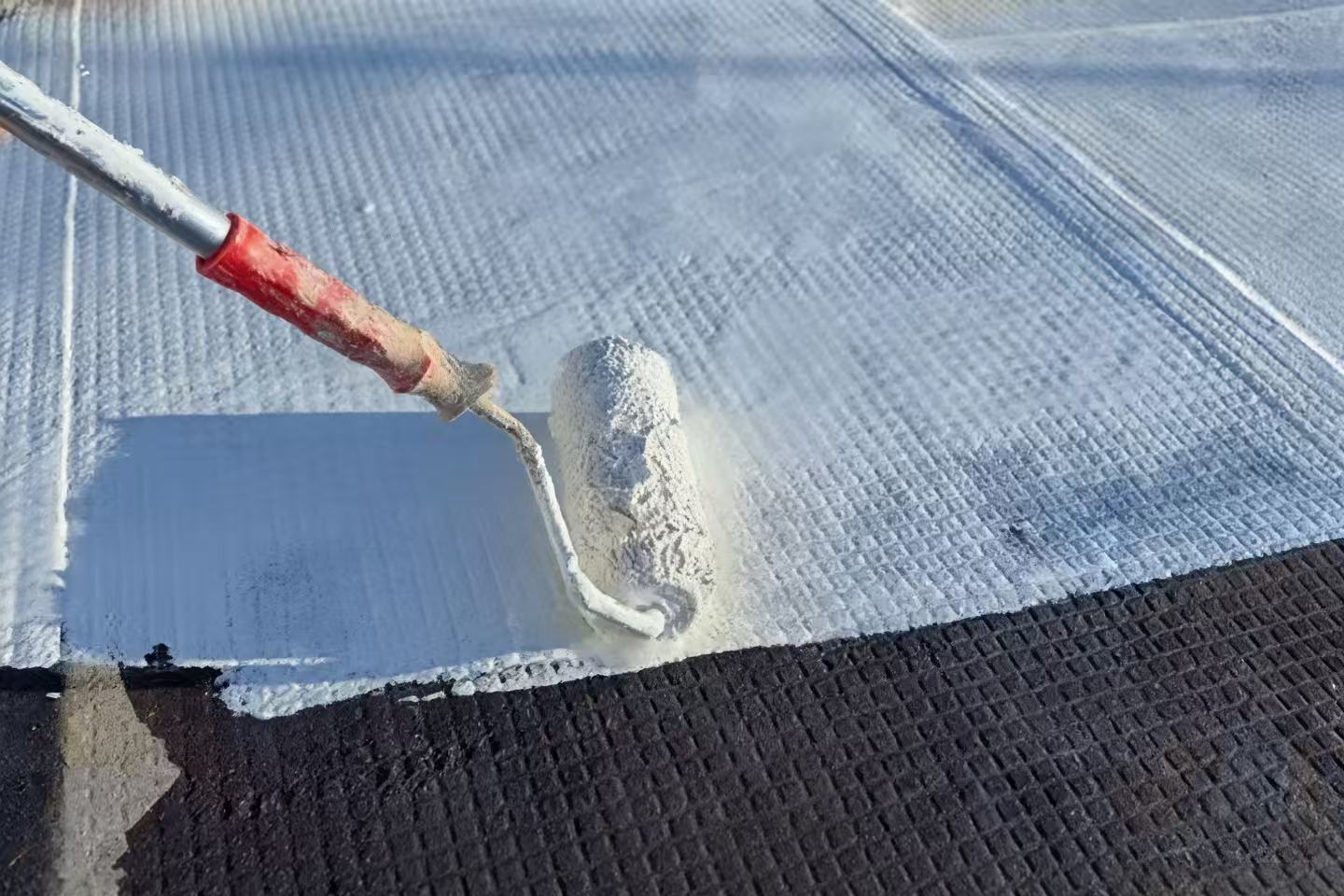
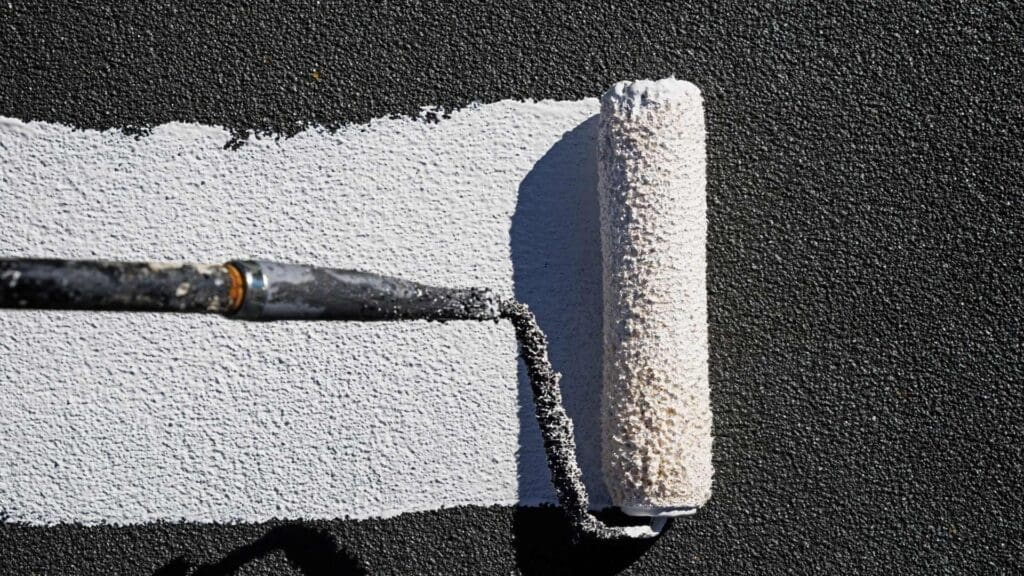
Warna Standard: Hitam, kelabu, putih dan warna asas lain; warna lain boleh disesuaikan. Keperluan Khas: Penambahan pigmen disokong untuk membentuk lapisan kalis air berwarna sesuai untuk aplikasi hiasan.
1 kg/tin/1 liter (tin gam putih Yongrong 1 liter)
7 kg/baldi/5 liter (baldi gam 5 liter Yongrong hitam)
22 kg/baldi/20 liter (baldi gam 20 liter Yongrong putih)
Pembungkusan gulungan: 10㎡/gulungan (ketebalan 1.5mm, 2.0mm, 3.0mm).
Keadaan penyimpanan: Tempat sejuk, kering, suhu 5-35 ℃, elakkan cahaya matahari langsung. Jangka hayat: 12-24 bulan belum dibuka (24 bulan untuk produk berasaskan air, 12 bulan untuk produk berasaskan pelarut).
X. Penyediaan Substrat
1. Keperluan substrat: Substrat mestilah rata, kering (kandungan lembapan ≤8%), bebas daripada kawasan berongga dan kotoran minyak, dengan nilai pH ≤10.
2. Langkah-langkah penyediaan: Pasir substrat untuk menghilangkan kotoran dan kesan minyak (menggunakan kertas pasir atau pistol air tekanan tinggi). Membaiki keretakan dan lubang (menggunakan mortar simen polimer atau dempul epoksi). Sapukan primer pengedap (untuk meningkatkan lekatan, dos 0.1-0.2 kg/m²).
XI. Sistem Produk Aplikasi Disyorkan
Sistem Salutan Nipis: Primer pengedap (0.1-0.2 kg/m²) + Salutan kalis air warna pepejal Yongrong (2-3 lapisan, jumlah dos 1.6-3.6 kg/m²). Sistem Salutan Tebal: Primer pengedap (0.1-0.2 kg/m²) + Salutan kalis air warna pepejal Yongrong (3-4 lapisan, jumlah dos 2.4-4.8 kg/m²). Sistem Bahan Gulung: Primer (0.1 kg/m²) + Bahan gulung salutan kalis air warna pepejal Yongrong (litupan penuh atau aplikasi longgar) + pengedap (di jahitan).
XII. Kaedah Permohonan (Panduan Pembinaan)
1. Alatan Aplikasi: Penggelek, berus, pistol semburan, pengadun, pistol haba (untuk penggunaan bahan gulungan).
2. Langkah Penggunaan: Campurkan produk dua komponen mengikut nisbah yang ditetapkan dan gunakan dalam masa 30 minit selepas pencampuran menyeluruh (produk komponen tunggal boleh digunakan terus). Sapukan lapisan kalis air warna pepejal Yongrong dengan berus atau roller, dengan selang 4-6 jam antara lapisan. Arah memberus hendaklah bersilang. Untuk penggunaan bahan gulung, gunakan pistol haba untuk memanaskan permukaan bawah bahan gulung untuk memastikan lekatan yang kuat pada substrat.
XIII. Langkah berjaga-jaga
1. Persekitaran Pembinaan: Suhu 5-35 ℃, kelembapan ≤85%. Elakkan pembinaan dalam cuaca hujan atau di bawah cahaya matahari langsung.
2. Campuran Bahan: Ikuti nisbah bancuhan dengan ketat dan kacau sebati untuk mengelakkan pengawetan yang tidak lengkap.
3. Perlindungan Produk Siap: Selepas pembinaan, benarkan pengudaraan dan pengeringan. Jangan tertakluk kepada objek berat selama 7 hari.
XIV. Alatan Aplikasi
Alat Penting: Penggelek, berus, pistol semburan, pengadun, pistol haba (untuk penggunaan bahan gulungan). Alat Bantu: Pita pelekat, cawan penyukat, higrometer, termometer.
XV. Langkah-langkah Keselamatan
1. Langkah-langkah Perlindungan: Pakai topeng dan sarung tangan semasa pembinaan dan kekalkan pengudaraan yang baik; jauhkan produk berasaskan pelarut daripada sumber api.
2. Pelupusan Sisa: Sisa cat dan bekas pembungkusan hendaklah dikitar semula dengan betul dan tidak dibuang sembarangan.
3. Rawatan Kecemasan: Jika terpercik ke dalam mata, bilas segera dengan air dan dapatkan rawatan perubatan; untuk terkena kulit, basuh dengan sabun.
Nota: Prestasi produk dan maklumat aplikasi yang disenaraikan di atas diperoleh di bawah keadaan eksperimen tertentu. Walau bagaimanapun, persekitaran aplikasi sebenar berbeza-beza dan tidak tertakluk kepada kekangan kami. Jika anda mempunyai sebarang pertanyaan, sila hubungi Guangdong Yongrong New Building Materials Co., Ltd. Kami berhak untuk menyemak semula manual produk tanpa notis lanjut.
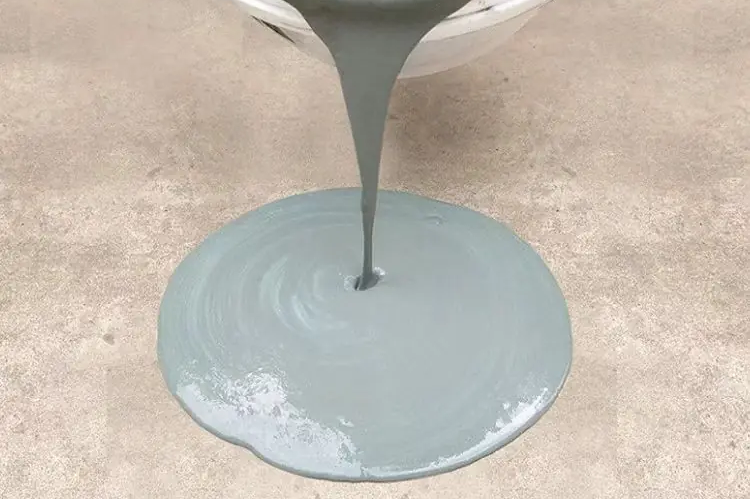
Salutan Kalis Air Warna Pepejal Yongrong menggunakan formula termaju, menghasilkan membran kalis air yang padat dan elastik yang berkesan menentang ubah bentuk substrat, resapan air dan hakisan alam sekitar, sambil memberikan perlindungan yang berpanjangan. Proses penggunaannya adalah fleksibel, membolehkan memberus, menggulung atau menyembur bergantung pada keperluan, sesuai untuk kalis air dan penyelenggaraan pelbagai permukaan bangunan.
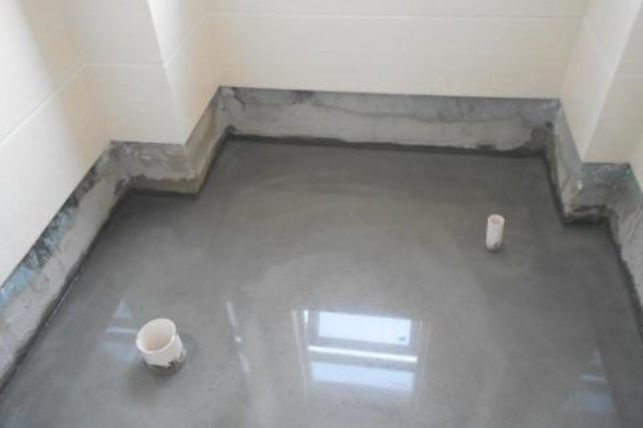
1. Keanjalan Tinggi dan Rintangan Retak: Pemanjangan pada pecah ≥500% (GB/T 16777), menentang penyebaran retakan substrat (≤3mm), sesuai untuk kawasan yang mempunyai perbezaan suhu yang besar.
2. Rintangan cuaca yang sangat baik: Ujian penuaan buatan ≥1000 jam (GB/T 1766), tahan sinaran UV, hujan asid, dan kakisan ozon, dengan hayat perkhidmatan ≥15 tahun.
3. Mesra alam dan selamat: Formula berasaskan air, kandungan VOC ≤50g/L (GB 18582-2020), tidak toksik dan tidak berbau, diperakui oleh Pelabelan Alam Sekitar China, sesuai untuk tempat sensitif seperti rumah dan sekolah.
4. Pembinaan yang mudah: Boleh disikat, digulung atau disembur; kelajuan pengawetan cepat; orang boleh berjalan di atasnya selepas 24 jam, dan ia sembuh sepenuhnya dalam 7 hari.
5. Rintangan air yang baik: Tiada lepuh atau pengelupasan selepas 168 jam rendaman (GB/T 9274), sesuai untuk persekitaran lembap jangka panjang (seperti ruang bawah tanah dan kolam renang).
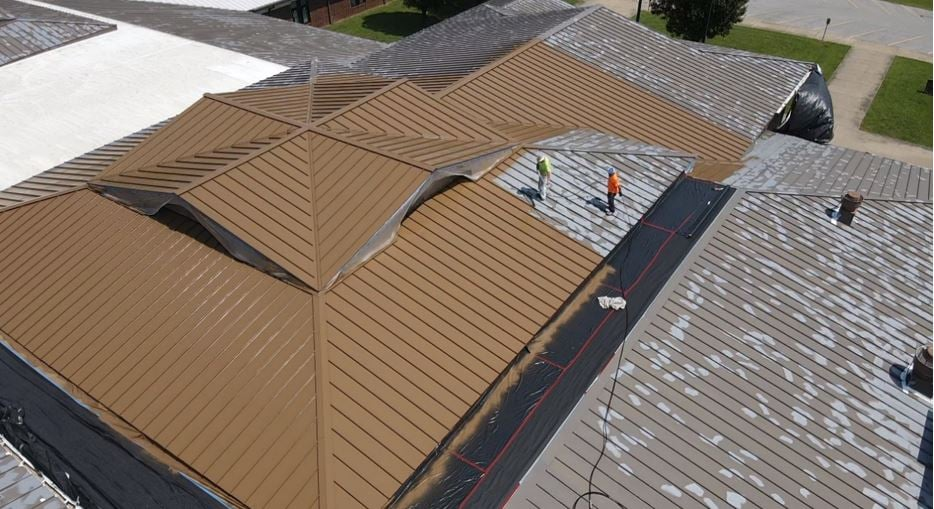
Bumbung bangunan: Kalis air dan pencegahan resapan untuk bumbung rata, bumbung bernada dan bumbung logam. Ruang bawah tanah: Kalis air dan kalis lembapan untuk dinding luar, papak lantai dan papak bumbung. Jambatan/terowong: Kalis air dan pencegahan resapan untuk dek jambatan dan dinding dalaman terowong, tahan terhadap beban kenderaan. Aplikasi Khas: Kalis air dan pencegahan resapan untuk kolam renang, takungan, tangki kumbahan, dsb., dengan ketahanan terhadap kakisan kimia.
Parameter | Spesifikasi
Komponen Utama | Lateks getah sintetik (SBS/APP/getah kloroprena), elastomer polimer, bahan tambahan anti-ketelapan
Masa Pengeringan | Permukaan kering ≤ 2j (25℃), kering sepenuhnya ≤ 24j
Kekuatan Tegangan | ≥ 2.0MPa (GB/T 16777)
Pemanjangan di Rehat | ≥ 500% (GB/T 16777)
Kekerasan | ≥ Shore A 50 (GB/T 531.1)
Tahan Air | Tiada lepuh atau pengelupasan selepas rendaman 168j (GB/T 9274)
Rintangan Penuaan Buatan | ≥ 1000 jam (GB/T 1766)
Standard Persekitaran: GB 18582-2020 "Had Bahan Berbahaya dalam Salutan Dinding Dalaman untuk Bahan Hiasan Dalaman dan Pengubahsuaian" (Produk berasaskan Air). Standard Prestasi: GB 18242-2008 "Membran Kalis Air Bitumen Terubahsuai Elastomer", JC/T 864-2008 "Salutan Kalis Air Bangunan Emulsi Polimer". Piawaian Keselamatan: HJ 2537-2025 "Keperluan Teknikal untuk Produk Pelabelan Alam Sekitar - Salutan Bangunan".
VI. Dos Teoritikal
Lapisan Tunggal: 0.8-1.2 kg/m² (Dos sebenar diselaraskan mengikut kelicinan substrat dan proses pembinaan). Rawatan Retak: Tingkatkan dos sebanyak 10%-20% untuk memastikan liputan retak yang lengkap.
Warna Standard: Hitam, kelabu, putih dan warna asas lain; warna lain boleh disesuaikan. Keperluan Khas: Penambahan pigmen disokong untuk membentuk lapisan kalis air berwarna sesuai untuk aplikasi hiasan.
1 kg/tin/1 liter (tin gam putih Yongrong 1 liter)
7 kg/baldi/5 liter (baldi gam 5 liter Yongrong hitam)
22 kg/baldi/20 liter (baldi gam 20 liter Yongrong putih)
Pembungkusan gulungan: 10㎡/gulungan (ketebalan 1.5mm, 2.0mm, 3.0mm).
Keadaan penyimpanan: Tempat sejuk, kering, suhu 5-35 ℃, elakkan cahaya matahari langsung. Jangka hayat: 12-24 bulan belum dibuka (24 bulan untuk produk berasaskan air, 12 bulan untuk produk berasaskan pelarut).
X. Penyediaan Substrat
1. Keperluan substrat: Substrat mestilah rata, kering (kandungan lembapan ≤8%), bebas daripada kawasan berongga dan kotoran minyak, dengan nilai pH ≤10.
2. Langkah-langkah penyediaan: Pasir substrat untuk menghilangkan kotoran dan kesan minyak (menggunakan kertas pasir atau pistol air tekanan tinggi). Membaiki keretakan dan lubang (menggunakan mortar simen polimer atau dempul epoksi). Sapukan primer pengedap (untuk meningkatkan lekatan, dos 0.1-0.2 kg/m²).
XI. Sistem Produk Aplikasi Disyorkan
Sistem Salutan Nipis: Primer pengedap (0.1-0.2 kg/m²) + Salutan kalis air warna pepejal Yongrong (2-3 lapisan, jumlah dos 1.6-3.6 kg/m²). Sistem Salutan Tebal: Primer pengedap (0.1-0.2 kg/m²) + Salutan kalis air warna pepejal Yongrong (3-4 lapisan, jumlah dos 2.4-4.8 kg/m²). Sistem Bahan Gulung: Primer (0.1 kg/m²) + Bahan gulung salutan kalis air warna pepejal Yongrong (litupan penuh atau aplikasi longgar) + pengedap (di jahitan).
XII. Kaedah Permohonan (Panduan Pembinaan)
1. Alatan Aplikasi: Penggelek, berus, pistol semburan, pengadun, pistol haba (untuk penggunaan bahan gulungan).
2. Langkah Penggunaan: Campurkan produk dua komponen mengikut nisbah yang ditetapkan dan gunakan dalam masa 30 minit selepas pencampuran menyeluruh (produk komponen tunggal boleh digunakan terus). Sapukan lapisan kalis air warna pepejal Yongrong dengan berus atau roller, dengan selang 4-6 jam antara lapisan. Arah memberus hendaklah bersilang. Untuk penggunaan bahan gulung, gunakan pistol haba untuk memanaskan permukaan bawah bahan gulung untuk memastikan lekatan yang kuat pada substrat.
XIII. Langkah berjaga-jaga
1. Persekitaran Pembinaan: Suhu 5-35 ℃, kelembapan ≤85%. Elakkan pembinaan dalam cuaca hujan atau di bawah cahaya matahari langsung.
2. Campuran Bahan: Ikuti nisbah bancuhan dengan ketat dan kacau sebati untuk mengelakkan pengawetan yang tidak lengkap.
3. Perlindungan Produk Siap: Selepas pembinaan, benarkan pengudaraan dan pengeringan. Jangan tertakluk kepada objek berat selama 7 hari.
XIV. Alatan Aplikasi
Alat Penting: Penggelek, berus, pistol semburan, pengadun, pistol haba (untuk penggunaan bahan gulungan). Alat Bantu: Pita pelekat, cawan penyukat, higrometer, termometer.
XV. Langkah-langkah Keselamatan
1. Langkah-langkah Perlindungan: Pakai topeng dan sarung tangan semasa pembinaan dan kekalkan pengudaraan yang baik; jauhkan produk berasaskan pelarut daripada sumber api.
2. Pelupusan Sisa: Sisa cat dan bekas pembungkusan hendaklah dikitar semula dengan betul dan tidak dibuang sembarangan.
3. Rawatan Kecemasan: Jika terpercik ke dalam mata, bilas segera dengan air dan dapatkan rawatan perubatan; untuk terkena kulit, basuh dengan sabun.
Nota: Prestasi produk dan maklumat aplikasi yang disenaraikan di atas diperoleh di bawah keadaan eksperimen tertentu. Walau bagaimanapun, persekitaran aplikasi sebenar berbeza-beza dan tidak tertakluk kepada kekangan kami. Jika anda mempunyai sebarang pertanyaan, sila hubungi Guangdong Yongrong New Building Materials Co., Ltd. Kami berhak untuk menyemak semula manual produk tanpa notis lanjut.
Send Inquiry
Please Feel free to give your inquiry in the form below. We will reply you in 24 hours.